Essential Steps to Ensure a Smooth and Lasting Finish
Getting ready to paint repaired drywall surfaces is crucial for achieving a flawless finish. Proper preparation ensures that the paint adheres smoothly and provides a long-lasting result. Many overlook this step, leading to less than satisfactory outcomes. This guide walks you through the necessary steps to prepare your walls effectively, ensuring you get the best results possible.
The Importance of Surface Preparation
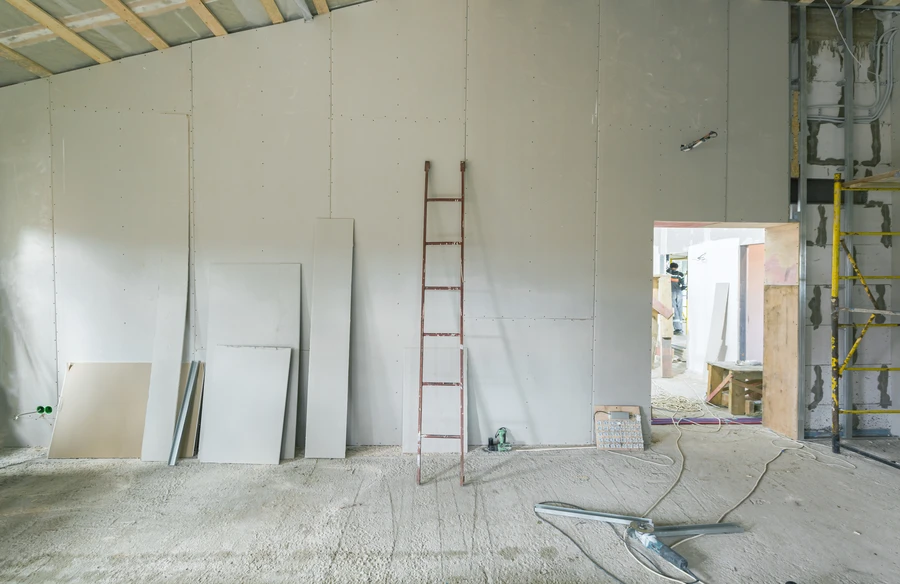
Preparing surfaces before painting is essential for several reasons. It ensures the paint sticks well, which leads to an even and smooth finish. When paint adheres properly, it not only looks better but also lasts longer, saving you time and money in the long run. Additionally, taking the time to prepare surfaces can help identify any hidden issues that might need addressing before painting begins.
Smoothing Out Imperfections
After completing drywall repair, it’s important to ensure the surface is as smooth as possible. Small bumps or ridges can stand out once painted, detracting from the overall appearance. Begin by sanding the repaired areas with fine-grit sandpaper, focusing on creating an even surface. Always wear a mask during this process to protect yourself from dust particles.
Cleaning the Walls Thoroughly
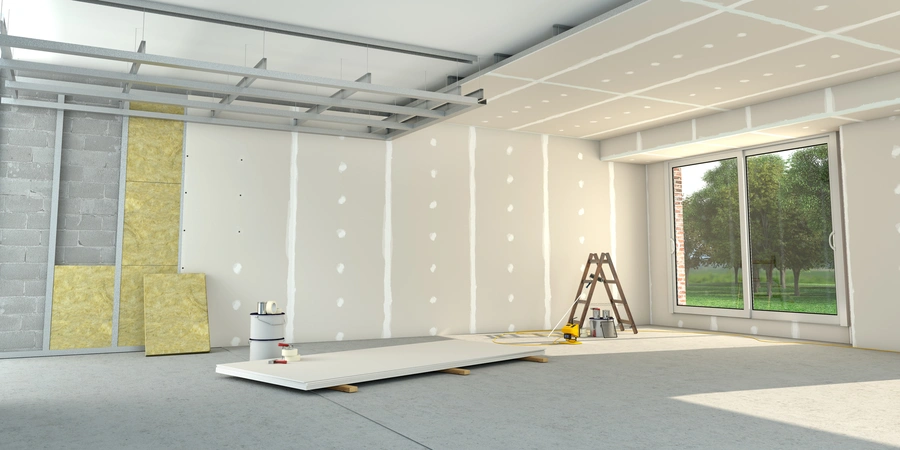
Once you’ve addressed imperfections, cleaning the wall is your next step. Dust and debris can interfere with paint adhesion, so use a damp cloth to remove them completely. For greasy or heavily soiled areas, consider using a mild detergent solution followed by a rinse with clean water. Allow the wall to dry completely before proceeding to the next step.
Applying Primer Correctly
A primer serves as a base coat that improves paint adherence and enhances its color consistency. After drywall repair, apply a high-quality primer evenly across the prepared surface. This layer will seal any repairs and provide a uniform canvas for your topcoat. Choose a primer suitable for your specific paint type for optimal results.
Selecting the Right Paint Tools
The tools you use significantly impact the final outcome of your painting project. High-quality brushes and rollers designed for your chosen paint type can make application smoother and more efficient. Using the right tools helps distribute paint evenly, avoiding streaks or visible brush marks.
- Select brushes appropriate for edges and corners
- Use rollers for large surface areas
- Consider extension poles for high walls
Understanding Paint Types and Finishes
Choosing the right paint type is vital for durability and aesthetics. Latex paints are popular for their ease of use and quick drying times, while oil-based options offer superior durability. Consider your room’s function when selecting finishes; matte hides imperfections well, whereas gloss finishes are easier to clean but highlight flaws.
- Determine the room’s purpose (e.g., kitchen, living room)
- Choose between latex or oil-based paints based on needs
- Select finishes like matte or gloss according to preference
Ensuring Proper Ventilation
Proper ventilation is critical during painting projects to ensure health safety and facilitate faster drying times. Open windows and doors where possible to maintain good airflow. If natural ventilation isn’t enough, use fans to enhance air circulation.
Final Recommendations for Success With Repaired Walls
If you’re looking for expert assistance with preparing repaired walls for painting, contact us today at (571) 604-8733. Based in Falls Church, VA, we provide comprehensive services tailored to meet your needs. Our team at Lopez Painting & Drywall Services takes pride in delivering quality results every time.